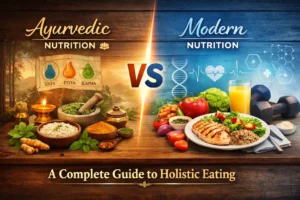
Ayurvedic Diet for Digestion: Top Agni-Boosting Foods for Better Gut Health
Ayurvedic Diet for Digestion: A Powerful Modern Guide to Boost Your Agni Naturally
This in-depth guide explores how an Ayurvedic Diet for Digestion strengthens your digestive fire (Agni), reduces bloating, balances doshas, and restores gut health naturally using food, spices, and lifestyle rhythms aligned with modern living.
If you grew up in India, you probably heard elders say, “Pet theek ho, toh din theek.” They weren’t quoting Ayurveda textbooks — they were sharing lived wisdom.
Everything in your day quietly flows from digestion: your energy levels, emotional stability, food cravings, mental clarity, sleep patterns, and even weight management. When digestion is strong, life feels light. When digestion weakens, tension sneaks in everywhere.
The Ayurvedic Diet for Digestion is not a restrictive plan. It is the *opposite of control dieting*. It is a rhythm-based way of eating that restores how your body naturally processes food — without calorie counting or trend-based rules.
Rather than asking “What should everyone eat?” Ayurveda asks: “How does YOUR digestion work?”
Two people eating the same “healthy” food often experience opposite results — one feels energized, the other becomes bloated or heavy. This personalization is exactly why the Ayurvedic digestion diet remains unmatched even in modern gut science.
Ayurvedic Diet for Digestion — A Practical Overview
The Ayurvedic Diet for Digestion focuses on one essential goal: supporting Agni — the digestive and metabolic fire that turns food into life energy.
Modern research calls it metabolism and enzyme balance. Ayurveda calls it Agni — the same force observed centuries earlier.
This approach centers on:
- Eating warm, simple meals
- Using digestive spices daily
- Timing meals according to biological rhythm
- Balancing foods based on dosha type
- Reducing digestive overload instead of restricting calories
Where modern diets attack symptoms, the Ayurvedic diet for digestion strengthens core digestive capacity so healing becomes lasting — not cyclical.
On this page
The Ayurvedic Science of Digestion
Ayurveda explains digestion through three interconnected principles:
- Agni — digestive fire that transforms food into nourishment
- Ama — toxic sticky residue from incomplete digestion
- Doshas — biological energies shaping individual digestion styles
Think of Agni as the flame under a pressure cooker.
• Too weak — food stays undercooked → bloating and heaviness • Too sharp — food burns → acidity and irritation • Uneven — digestion fluctuates → gas, IBS-like symptoms
| Dosha | Digestive Style | Common Symptoms |
|---|---|---|
| Vata | Irregular | Gas, bloating, dryness, constipation |
| Pitta | Sharp & fast | Burning acidity, hunger spikes |
| Kapha | Slow & steady | Heaviness, sluggish metabolism |
When Agni weakens, food cannot convert fully into energy. It partially ferments and leaves behind Ama — which feels like:
- Brain fog
- Lethargy
- Stubborn weight
- Emotional heaviness
- Chronic bloating
This is where the Ayurvedic diet for digestion delivers its most powerful healing — clearing Ama while rebuilding cellular digestion.
Modern Life vs. Digestive Fire
Our grandparents unknowingly lived an Ayurvedic schedule:
- Fresh food eaten warm
- Set mealtimes
- Long daily walking
- Early dinners
Compare that to modern routines:
- Cold or reheated meals
- Skipped breakfasts
- Late-night snacking
- Stress eating
- Coffee replacing hunger cues
Agni was never meant to survive on chaos. This mismatch explains why bloating and IBS are rising rapidly — even among young adults.
The Ayurvedic digestion diet restores the digestive flame by rebuilding rhythm, warmth, and simplicity — instead of adding supplements.
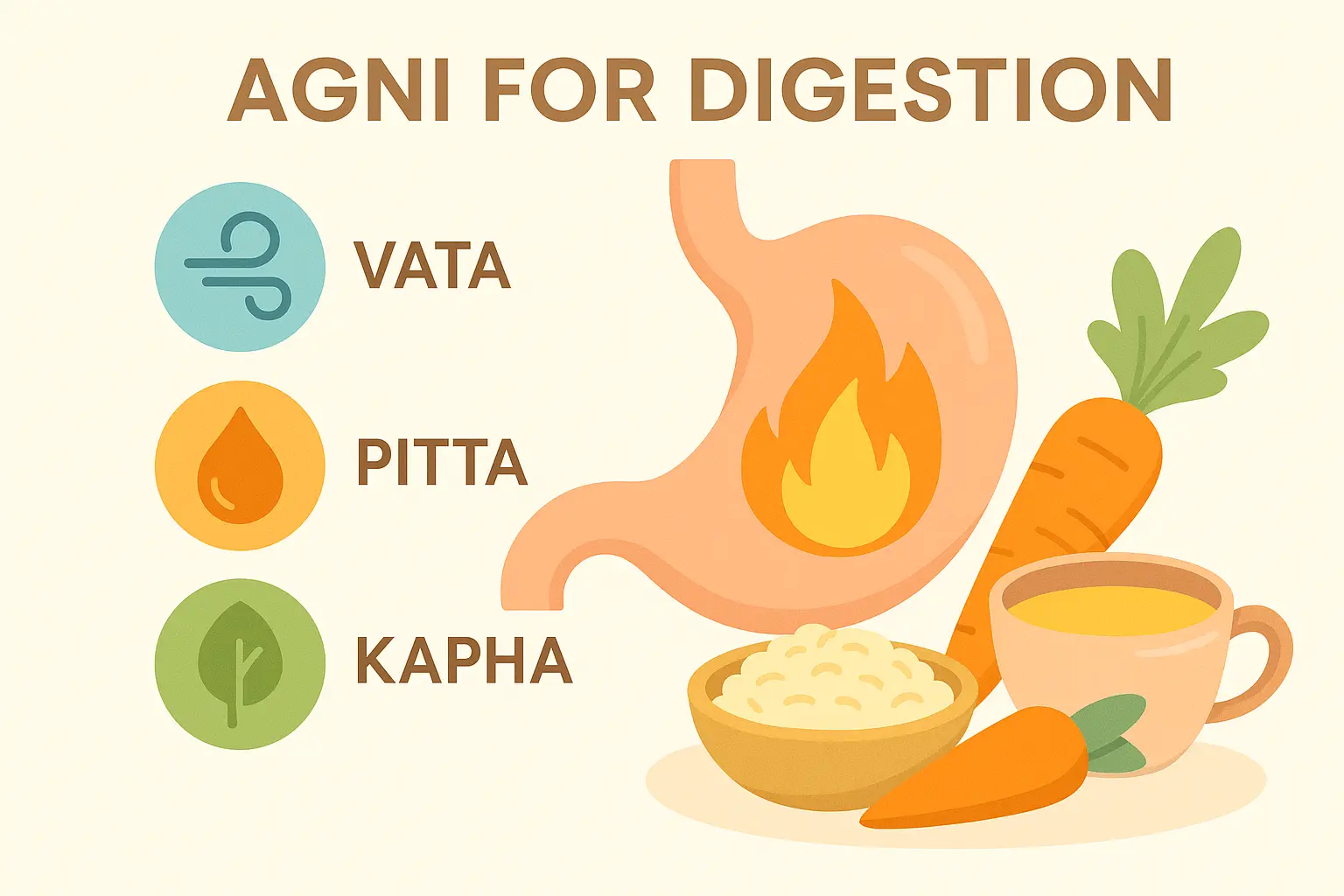
Digestive disorders today do not come from bad food alone — they come from broken eating rhythm. The Ayurvedic diet for digestion heals by restoring natural timing, warmth, and simplicity of meals.
Ayurvedic Diet for Digestion — The 5R Healing Framework
At its core, the Ayurvedic Diet for Digestion works through steady reinforcement — not extreme detox protocols. Instead of forcing rapid purges, Ayurveda rebuilds digestive strength using a simple, practical cycle called the 5R Framework.
- REMOVE — digestive disruptors such as cold beverages, junk food, late-night snacks
- REIGNITE — Agni through warming spices and cooked meals
- REPAIR — gut lining using ghee, mung dal, and light broths
- REGULATE — consistent meal timing to re-establish digestive rhythm
- RETRAIN — slower chewing and mindful portions to calm nervous digestion
The goal is not purging — the goal is retraining digestive capacity. Over consecutive weeks, the Ayurvedic digestion diet strengthens metabolic stability so the gut becomes efficient naturally.
Lasting digestive healing occurs not through restriction but through rhythm.
The Ayurvedic Diet for Digestion succeeds by strengthening digestive muscles rather than suppressing appetite.
The 3-Step Ayurvedic Diet for Digestion System
Within the larger framework, daily eating is guided by a reliable **three-step Ayurvedic healing system** that fits easily into modern routines.
STEP 1 — Eat Warm, Cooked Foods
Warm foods signal safety to the digestive nerves and require less enzymatic effort from the gut.
Daily staples within the Ayurvedic diet for digestion include:
- Khichdi with seasonal vegetables
- Dal-chawal with ghee
- Vegetable soups
- Stewed apples or pears for breakfast
- Rice porridge at night for digestive rest
Cold foods — smoothies, salads, iced drinks — suppress Agni and slow enzyme function. They create the bloating and heaviness often mistaken as “food intolerance.”
STEP 2 — Use Digestive Spices Daily
Spices are therapeutic tools — not flavor add-ons — within the Ayurvedic Diet for Digestion.
- Ginger: ignites digestive enzymes
- Cumin: prevents gas formation
- Fennel: soothes acidity
- Ajwain: stabilizes Vata digestion
- Black pepper: improves nutrient absorption
- Turmeric: clears Ama residues
Simple digestive tea:
Boil cumin + fennel + coriander seeds and sip warm after lunch or dinner.
This remains one of the most effective natural remedies for bloating worldwide.
STEP 3 — Eat According to Your Dosha
Personalization defines true success with an Ayurvedic digestion diet.
- Vata digestion diet: Warm, moist meals — soups, dals, ghee, roots
- Pitta digestion diet: Cooling cooked foods — lauki, coconut, coriander
- Kapha digestion diet: Light meals — grilled vegetables, warming spices, lemon water
Rather than rigid quizzes, body observation guides dosha eating:
- Gas = Vata imbalance
- Burning or irritation = Pitta imbalance
- Heaviness or slow digestion = Kapha imbalance
Beginner Mistakes When Starting the Ayurvedic Diet for Digestion
- Switching to raw salads instead of warm meals
- Overusing lemon, vinegar, or chili during active acidity
- Prolonged fasting while digestion is already weak
- Consuming cold water with meals
- Skipping breakfast while drinking coffee
These habits weaken rather than build Agni. The Ayurvedic diet for digestion succeeds through nourishment, not deprivation.
Expert Educator Perspective
In years of nutrition teaching, I’ve seen the greatest digestive transformations not from supplements or detox kits — but from warm home-style meals eaten at consistent times.
Once digestive rhythm is restored, bloating reduces automatically, cravings normalize, and emotional eating patterns ease naturally. This is the quiet power of the Ayurvedic Diet for Digestion.
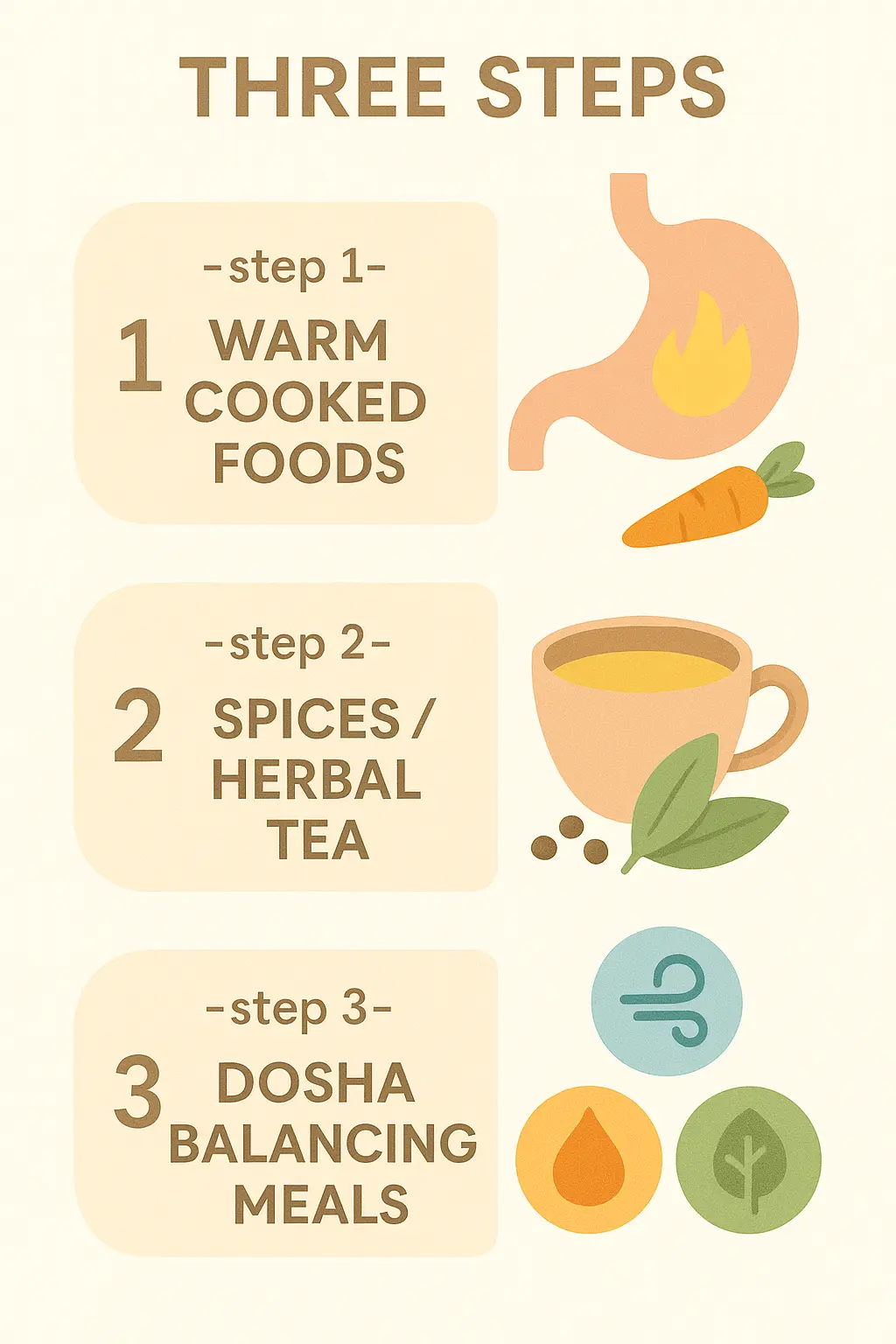
Healing digestion is not complicated — it is consistent.
Warm foods + digestive spices + dosha balance restore Agni steadily and safely.
Top Agni-Boosting Foods in the Ayurvedic Diet for Digestion
In Ayurveda, healing foods are judged not by calories but by how well they support Agni. Within the Ayurvedic diet for digestion, the purpose of food is simple: ease digestive effort while improving nutrient assimilation.
| Food | Why It Supports Digestion |
|---|---|
| Fresh ginger | Stimulates digestive enzymes and circulation |
| Ghee | Lubricates intestines and enhances nutrient uptake |
| Mung dal | Easiest protein to digest in Indian diets |
| Rice | Gives quick energy without burdening digestion |
| Steamed vegetables | Fiber becomes easier to break down when cooked |
| Stewed apple | Gentle morning cleanser for sluggish gut |
| Cumin | Promotes peristalsis and prevents gas |
| Warm soups | Hydrates digestion while soothing Agni |
| Warm lemon water | Activates morning digestive juices |
Digestive strength grows not from complex diets — but from choosing foods that ask less of the gut and give more nourishment.
One-Day Digestive Reset Plan
This practical rhythm follows the principles of the Ayurvedic Diet for Digestion and fits into modern Indian office or family life.
- Morning: Warm lemon–ginger water + stewed apple
- Mid-morning: Herbal tea (cumin or fennel)
- Lunch: Fresh khichdi with vegetables + ghee + cumin water
- Afternoon: Light walk + fennel tea
- Dinner: Rice porridge or vegetable soup by 7:30–8 PM
Consistency matters more than ingredients. Regular mealtimes strengthen circadian digestion — one of the major healing principles underlying the Ayurvedic diet for digestion.
Weekly Rhythmic Eating Pattern
| Time | Agni-Supporting Choice |
|---|---|
| Morning | Warm fruits or grains |
| Midday (main meal) | Dal, rice, seasonal vegetables |
| Afternoon | Cumin–fennel tea |
| Evening | Lighter soups or porridges |
Human Case Stories
Aditya — Bengaluru (IT professional)
He often skipped breakfast and lived on iced coffee. By switching to warm breakfasts, dal lunches, and spice tea, his daily energy crashes disappeared within two weeks.
Sara — Pune (graphic designer)
Emotional eating caused bloating and sleep fog. After adopting early dinners and ginger tea, she reported calmer digestion and mental clarity by week three.
Digestive healing changes mood, clarity and productivity — proving that the Ayurvedic diet for digestion reshapes energy far beyond the stomach.

Real healing happens when food rhythm replaces food restriction.
Symptoms & Ayurvedic Solutions
| Symptom | Digestive Pattern | Ayurvedic Remedy |
|---|---|---|
| Bloating | Vata imbalance | Ajwain, ginger tea |
| Burning sensation | Pitta excess | Fennel, coriander drinks |
| Constipation | Dry colon | Ghee + warm water |
| Heaviness after meals | Weak Agni | Soups, cumin seed water |
If symptoms persist beyond two weeks or interfere with daily functioning, working directly with an Ayurvedic practitioner is recommended.
FAQs – Ayurvedic Diet for Digestion
Can the Ayurvedic Diet for Digestion help IBS?
Yes. This diet strengthens digestive–nervous coordination and calms gut spasms that trigger IBS symptoms.
Should coffee be stopped completely?
No. Avoid drinking it on an empty stomach and counterbalance with warm breakfasts.
Are raw salads harmful for digestion?
They are not harmful, but harder to digest for many constitutions. Warm meals are better tolerated.
How quickly will results appear?
Most people experience lighter digestion in 48–72 hours. Stable results develop in 2–3 weeks.
Educator’s Professional Perspective
Across hundreds of students, I’ve watched the most powerful healing occur not from exotic therapies, but from rediscovering the warmth and rhythm of meals eaten mindfully.
The Ayurvedic Diet for Digestion works because it aligns human biology with human behavior — not rigid rules or calorie algorithms.
Conclusion
The Ayurvedic Diet for Digestion restores something modern eating forgot: food should leave you lighter, clearer, and steady — not bloated or tired.
When Agni strengthens, digestion improves, emotions stabilize, and energy becomes dependable. This is the quiet, life-changing power of eating with rhythm rather than reaction.
For deeper training in Ayurvedic digestion and nutrition methods, explore our professional programs: Online Ayurveda Courses.
Authoritative reference: Ministry of AYUSH guidelines on Ayurvedic digestion practices

You may also like

What Is Agni- Complete Guide to Digestive Fire in Ayurveda