
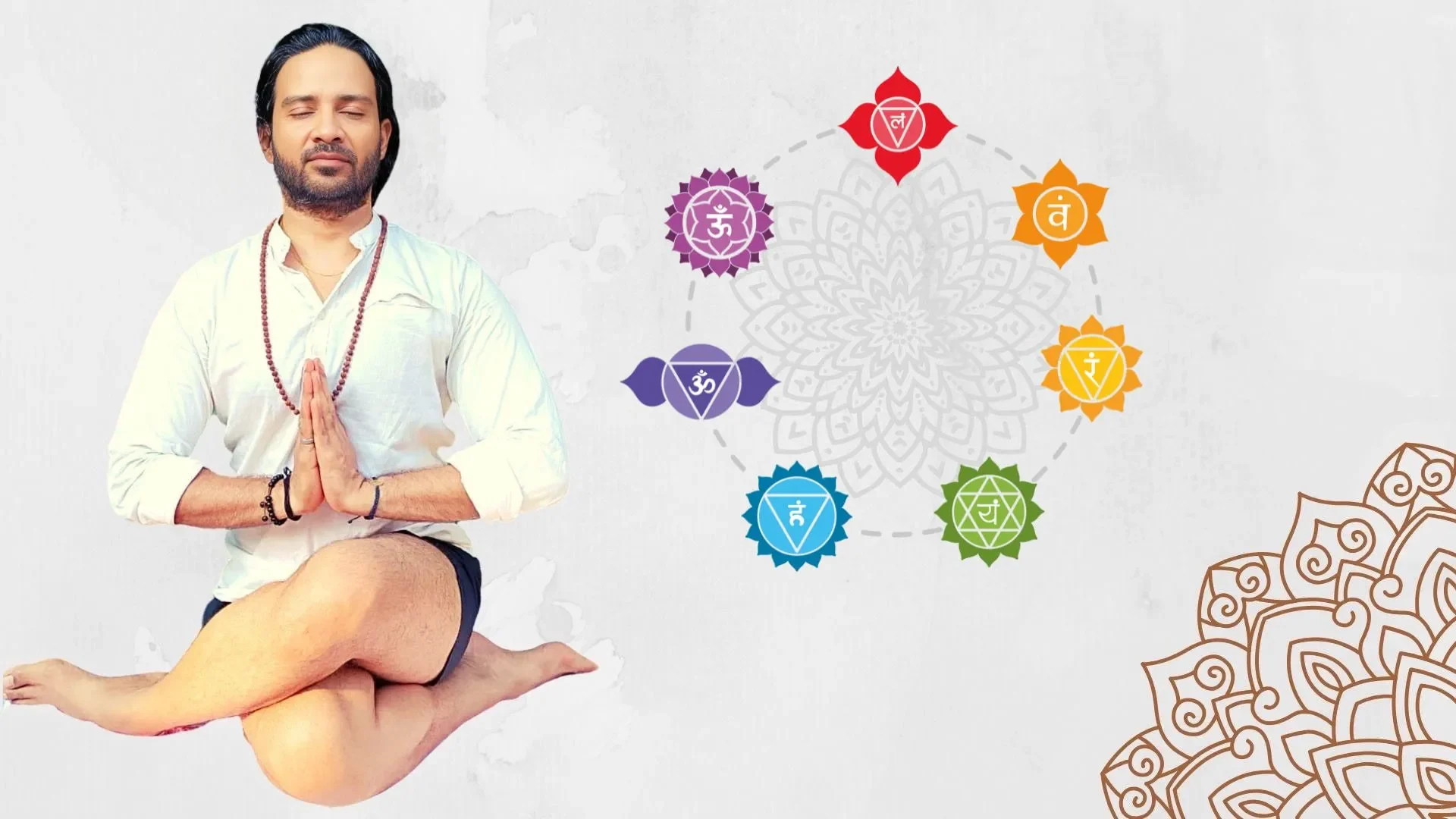

200 Hour Kundalini Yoga Teacher Training India
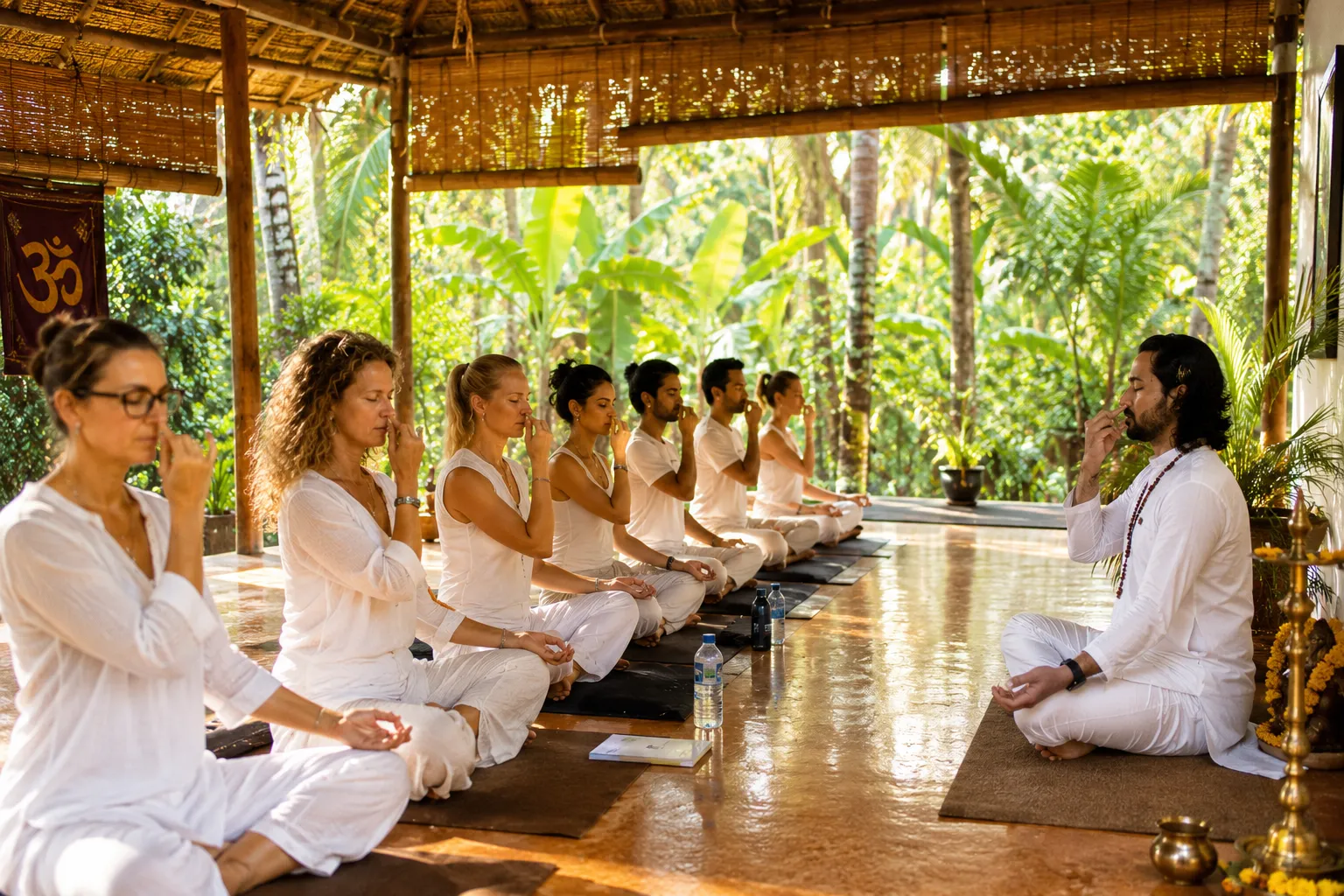
A grounded and immersive Yoga Teacher Training designed to help students explore Kundalini Kriya, classical yogic discipline, meditation, pranayama, nervous system regulation, therapeutic understanding, and authentic inner transformation within a calm and supportive small-group learning environment in North Goa.
100-Hour Kundalini Kriya Immersion
Short foundational immersion for sincere beginners, nervous system restoration, and structured personal practice development.
200-Hour Kundalini Kriya TTC
Comprehensive teacher training integrating kriya, pranayama, meditation, philosophy, energetic awareness, and therapeutic understanding.
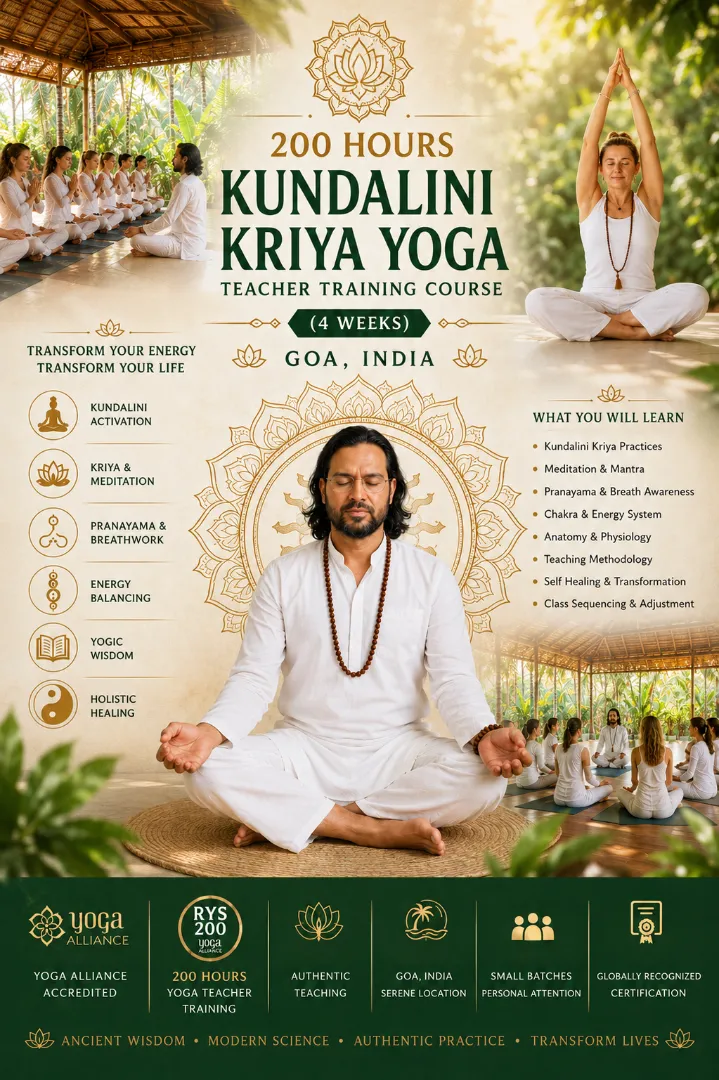

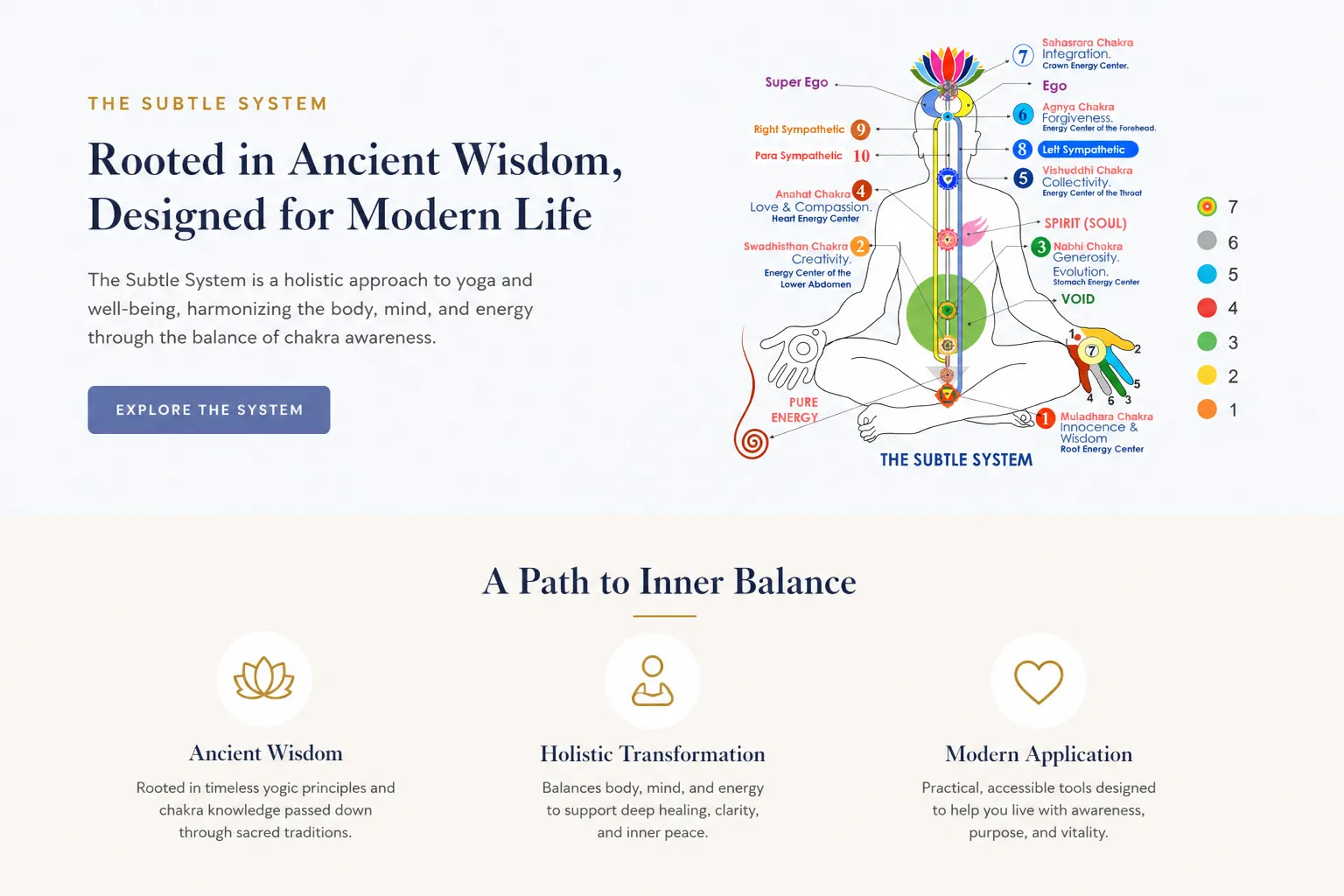
Traditional yogic systems often approached chakras through awareness, breath, attention, and meditative perception rather than exaggerated mystical symbolism.
Less about fantasy. More about inner steadiness, observation, nervous system balance, and long-term meditative integration.

Curriculum & Training Methodology
The training structure is designed to move progressively rather than overwhelm students with excessive information or energetically intense practices too early. Traditional yogic systems historically emphasized preparation, rhythm, repetition, and gradual refinement rather than rapid accumulation of techniques.
This Kundalini Kriya Yoga teacher training in Goa integrates practical, meditative, philosophical, and experiential dimensions of yoga into a structured immersive environment where students can develop steadiness, awareness, and clarity over time.
Rather than separating yoga into isolated subjects, the curriculum approaches practice as an interconnected system involving:
Students are guided through both personal practice and teaching-oriented understanding so that techniques are not merely memorized intellectually, but gradually embodied through direct experience and disciplined repetition.
The methodology emphasizes:
- daily structured practice
- observational learning
- breath awareness
- meditative attentiveness
- energetic sensitivity
- clarity of instruction
- sustainable integration
“The purpose of the curriculum is not simply to accumulate techniques, but to cultivate steadiness, awareness, meditative clarity, and deeper experiential understanding through disciplined practice.”
Alongside physical and energetic practices, the immersion also explores how traditional yoga approaches:
- mental fluctuation
- habitual patterns
- attention regulation
- internal observation
- emotional steadiness
- psycho-energetic balance
This creates a learning environment that feels slower, more intentional, and psychologically grounded compared to highly commercialized teacher trainings centered primarily around performance, certification speed, or externally driven intensity.
Kundalini Yoga Teacher Training Curriculum
The training integrates Kundalini Kriya practices, chakra awareness, Hatha Yoga, pranayama, mantra, meditation, yogic philosophy, nervous system regulation, and experiential self-observation within a structured traditional learning environment.
Kundalini Foundations
Traditional perspectives on Kundalini, awakening preparation, energetic balance, and psycho-spiritual understanding.
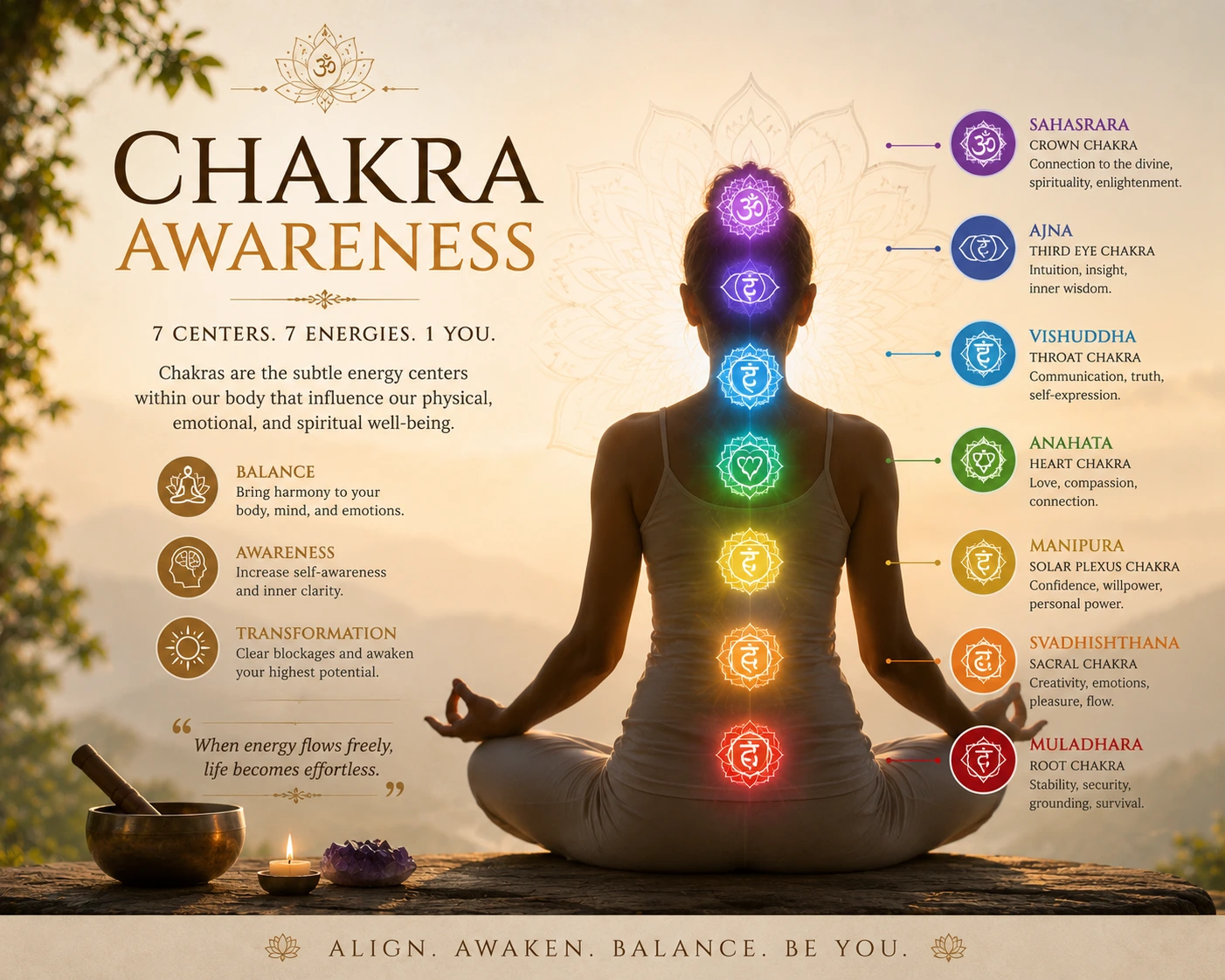
Chakras & Nadis
Study of Ida, Pingala, Sushumna, chakra systems, pranic pathways, and meditative energetic awareness.
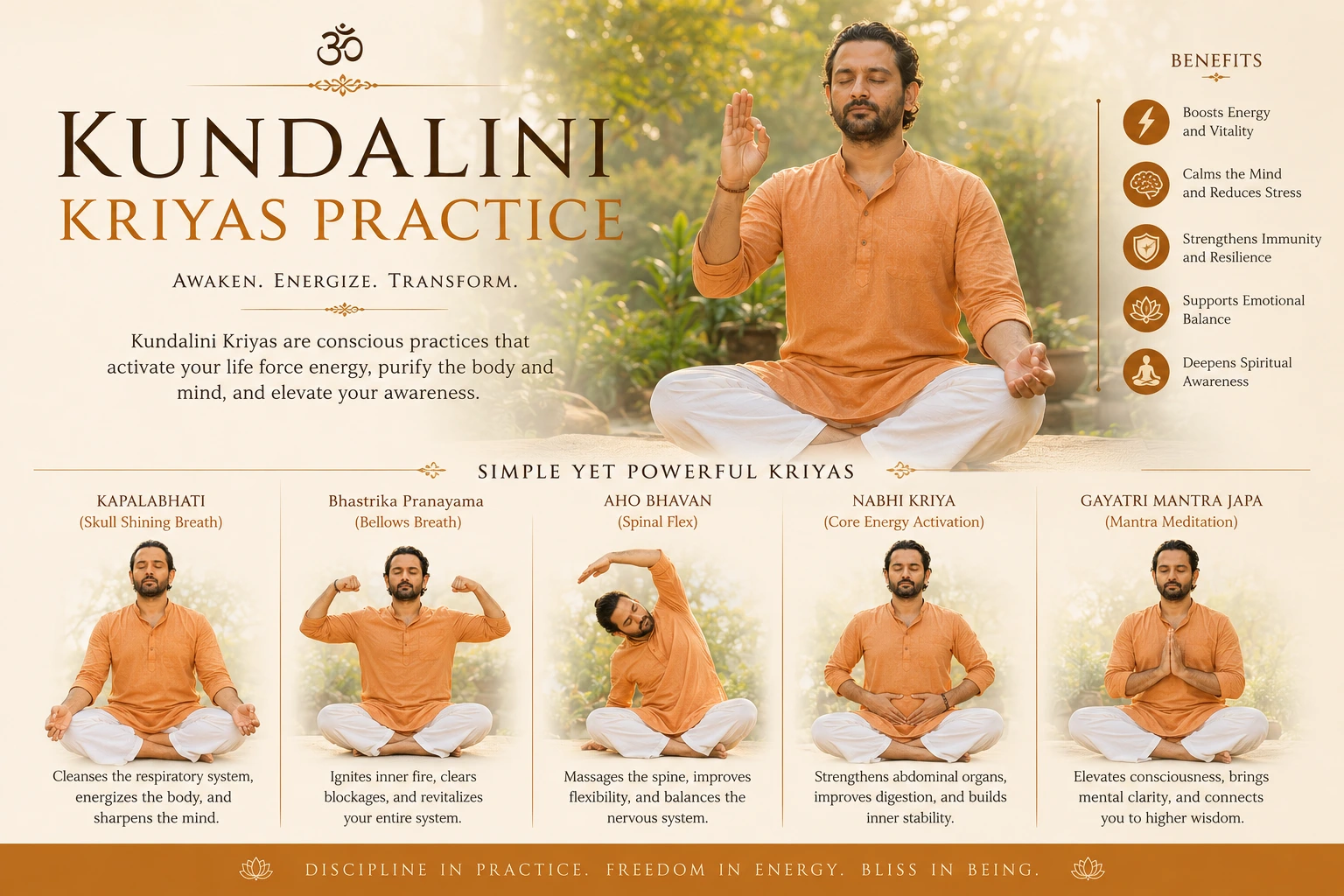
Kundalini Kriya Practice
Daily practice structure including kriyas, meditative awareness, chakra practices, and experiential discipline.
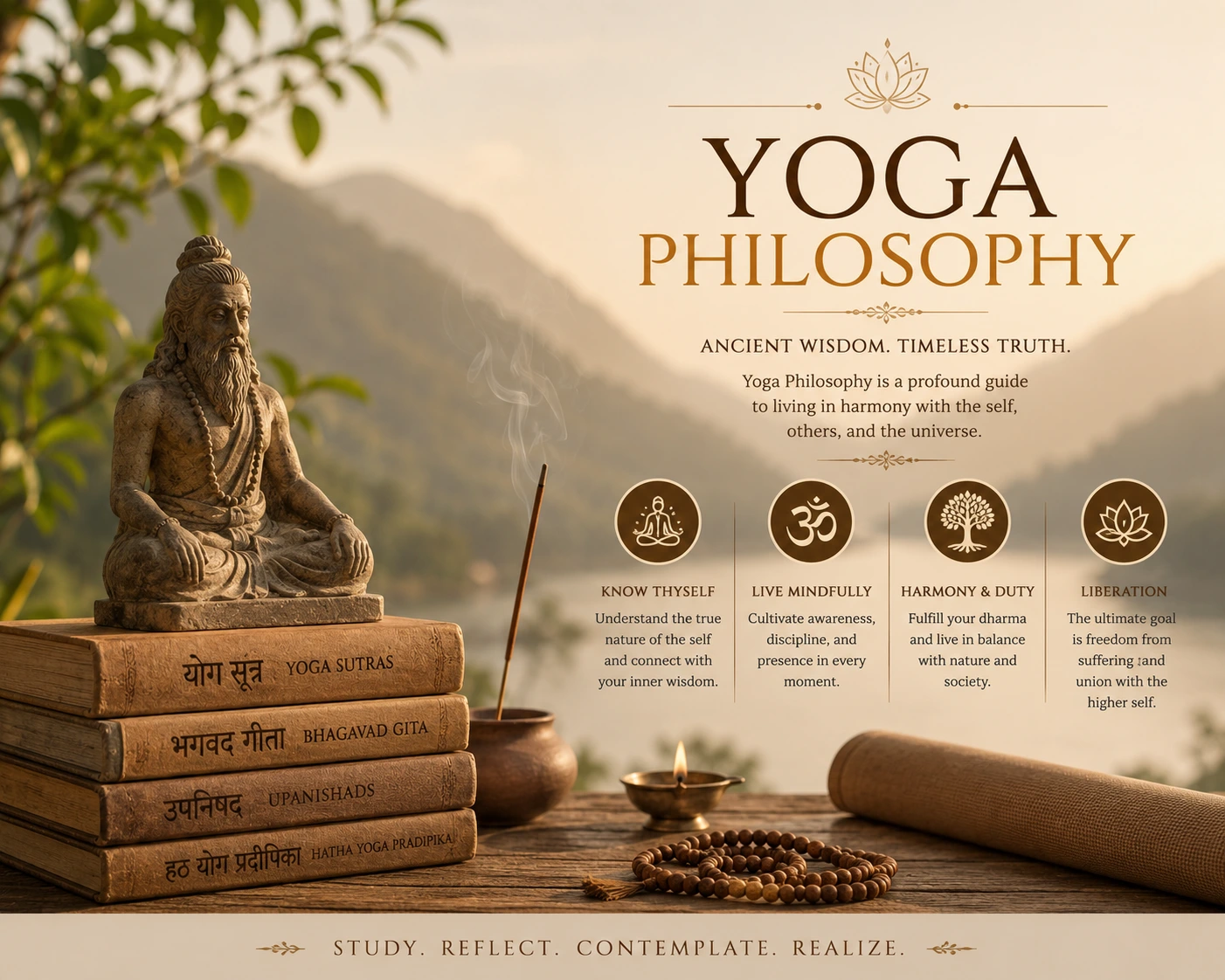
Yoga Philosophy
Yoga Sutras, Abhyasa, Vairagya, classical yogic psychology, and foundational philosophical understanding.
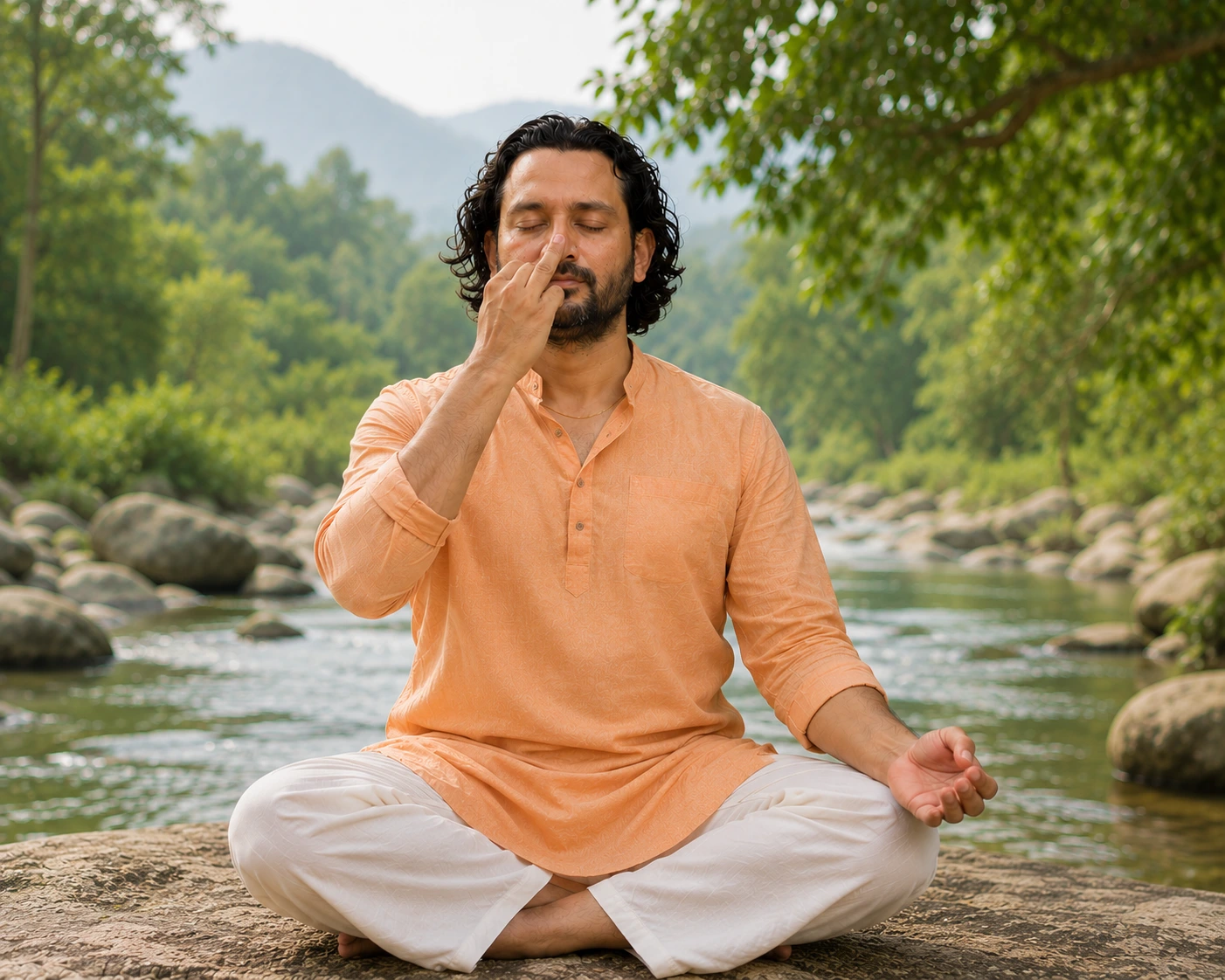
Pranayama & Bandhas
Breath regulation, Nadi Shodhana, Bhastrika, Kapalbhati, energetic locks, and nervous system balance.
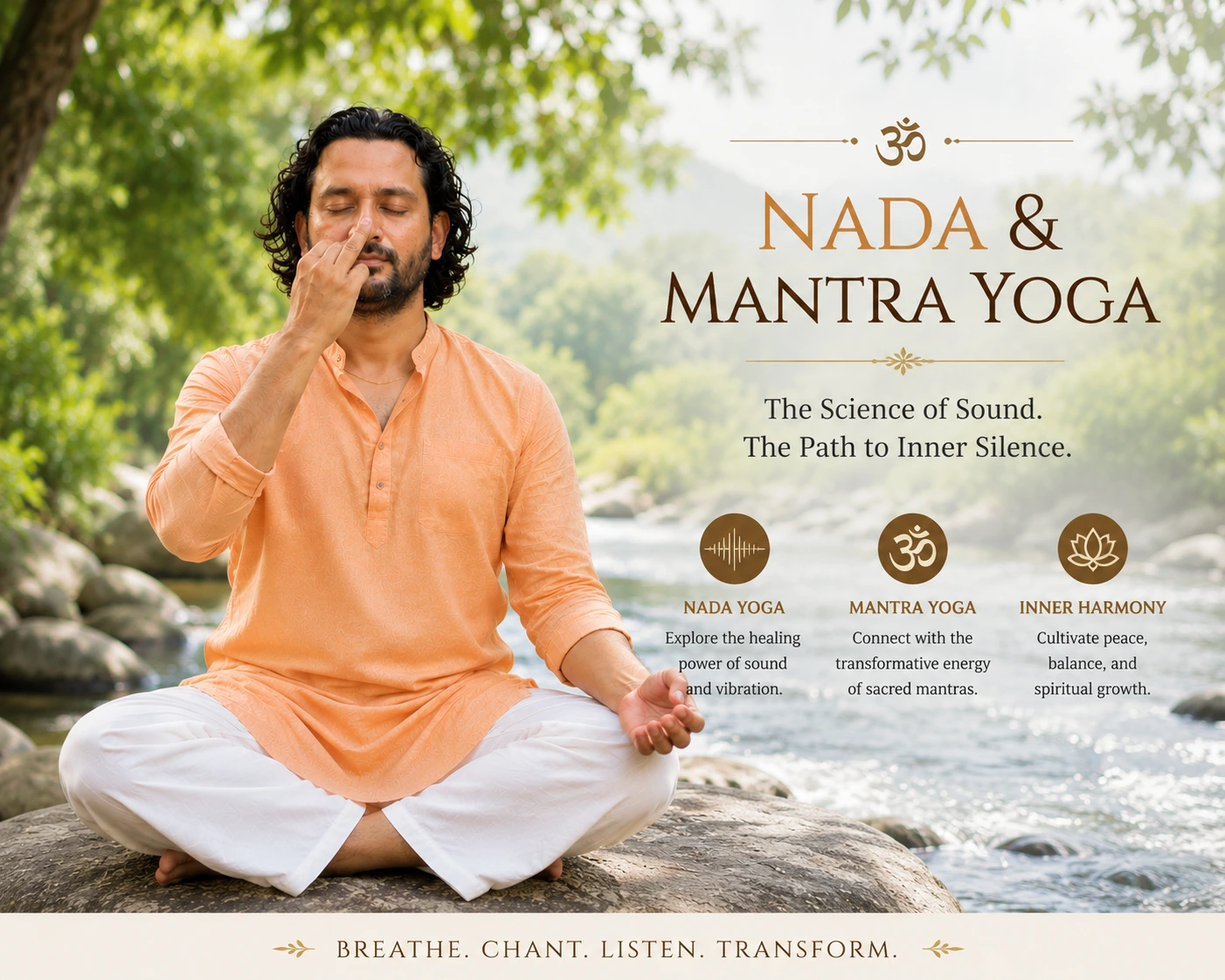
Nada & Mantra Yoga
Beej mantras, mantra meditation, kirtan, sound awareness, and meditative concentration practices.
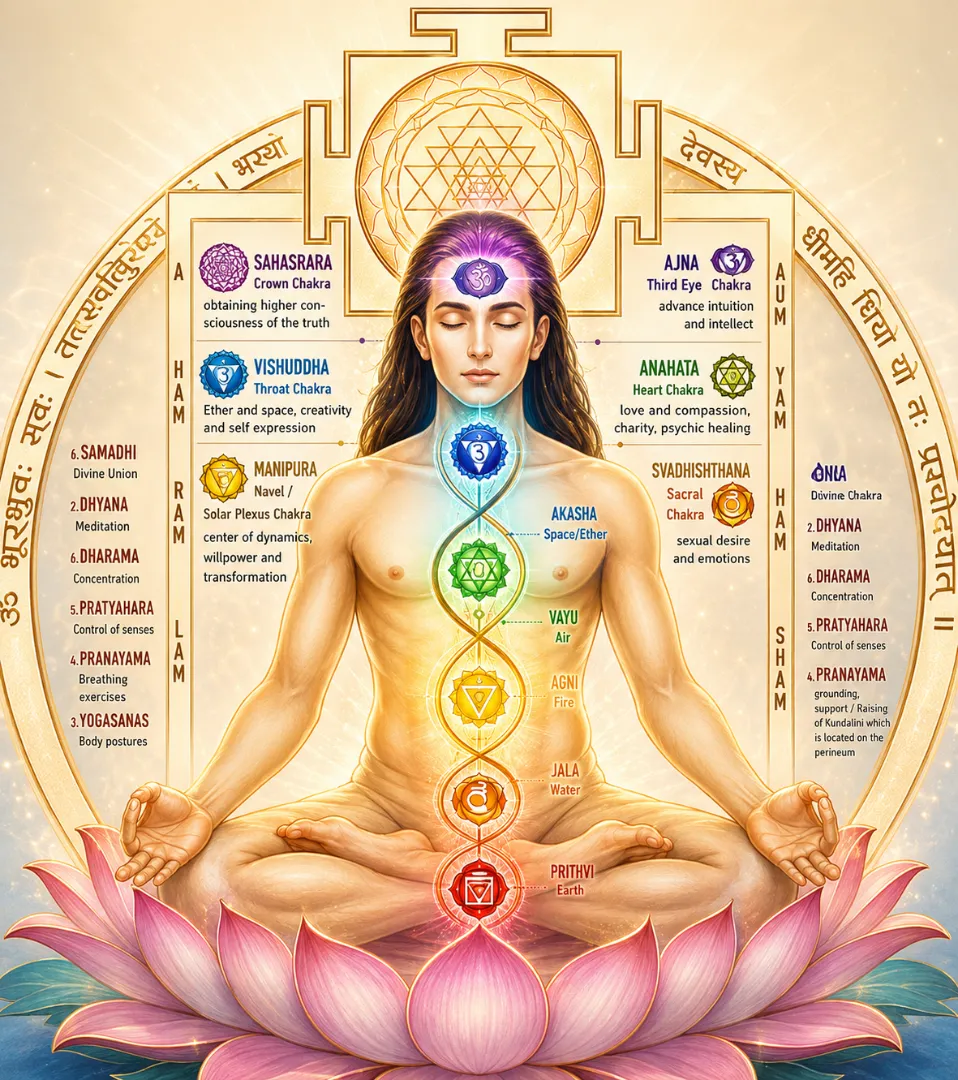
Nadi Shodhana & Nervous System Regulation
“In traditional Kundalini Yoga, Nadi Shodhana is understood as a foundational purification practice that helps balance the flow of prana, regulate the nervous system, and prepare the psycho-energetic pathways before deeper Kundalini practices are approached.”


Kundalini Rising Within Traditional Yogic Understanding
Within traditional yogic literature, Kundalini awakening is not generally described as a sudden emotional spectacle or dramatic mystical performance. In the Satyananda tradition, Kundalini is approached as a gradual psycho-energetic process connected with purification, awareness, nervous system preparation, meditative steadiness, disciplined practice, and long-term inner transformation.
Rather than seeking stimulation or intensity, the traditional emphasis remains on balance, observation, stability, pranic regulation, and the gradual refinement of consciousness through sustained yogic discipline over time.
Realistic Outcomes of the Training
Many modern yoga trainings are marketed through exaggerated promises of rapid transformation, instant awakening, emotional catharsis, or dramatic energetic experiences. Traditional yogic systems, however, often approached transformation in a quieter and more gradual way.
Rather than promising spectacle, this training emphasizes sustainable inner development through disciplined practice, awareness, nervous system regulation, meditative steadiness, and long-term integration.
Students may gradually begin noticing shifts in:
For some students, the changes feel subtle initially. For others, the shift is experienced more deeply through changes in perception, self-observation, emotional reactivity, lifestyle patterns, or internal steadiness over time.
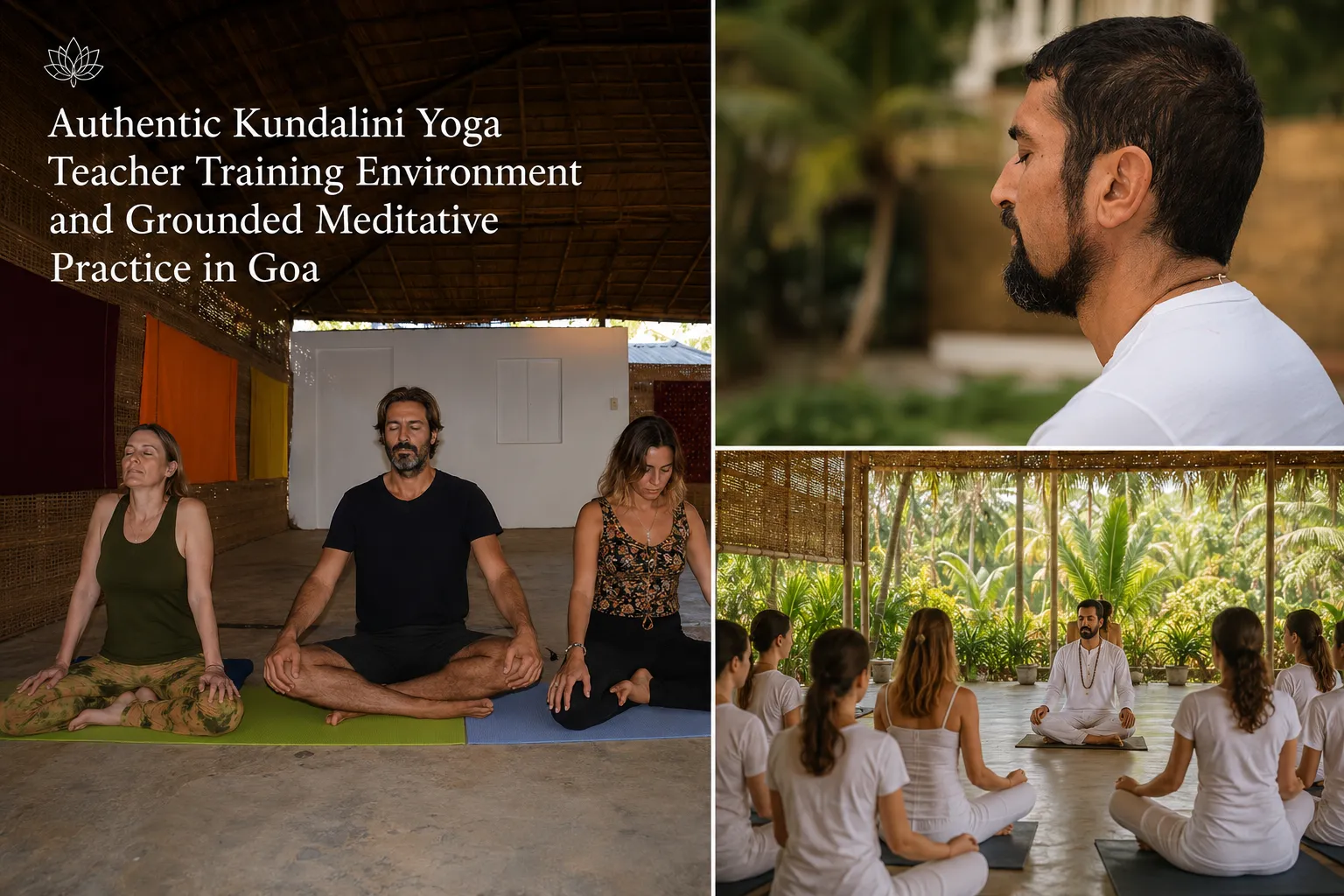
“The purpose of traditional practice is not to become extraordinary, but to become more aware, balanced, attentive, and internally steady.”
Participants who are already experienced yoga teachers may gradually feel prepared to introduce foundational kriyas, breath practices, and meditative techniques within appropriate beginner-level settings after completing the training.
However, we generally do not encourage students to begin teaching immediately after a Kundalini Yoga Teacher Training course.
“We believe deeper yogic practices should first become integrated through one’s own discipline, observation, steadiness, and lived experience before being transmitted responsibly to others.”
For this reason, students are encouraged to continue deepening their personal sadhana, energetic sensitivity, meditative awareness, and daily practice for several months after the training before stepping into a teaching role.
The emphasis is not on rapid certification, but on sincerity, embodiment, maturity, and long-term integration of practice.
At the same time, the training does not position itself as therapy, miracle healing, or guaranteed spiritual enlightenment. Every student arrives with different conditioning, life experiences, psychological patterns, physical capacities, and intentions.
This is why the training emphasizes:
- consistency over intensity
- awareness over performance
- long-term integration over short-term stimulation
- discipline over spiritual entertainment
- grounded practice over exaggerated claims
For many students, the most meaningful transformation is often not dramatic intensity — but a gradual return toward clarity, balance, steadiness, and deeper self-awareness.
What Students Often Appreciate Most About The Training
For many students, the experience of the training is not defined by intensity or dramatic spiritual narratives, but by the atmosphere in which the practices are taught. The combination of disciplined structure, grounded guidance, slower rhythms, breath awareness, and a calmer learning environment often creates a very different experience compared to highly commercialised modern yoga spaces.

“What I appreciated most was how grounded and psychologically balanced the entire training felt. There was no pressure to perform spirituality or chase dramatic experiences. The emphasis on breath, awareness, steadiness, and disciplined practice helped me reconnect with yoga in a much more sincere and sustainable way.”

“The environment in Goa changed my relationship with practice completely. The slower pace, daily structure, meditation, and nervous system awareness created a sense of stability that I had honestly not experienced in other trainings before. It felt less like spiritual performance and more like genuine inner work.”

“What stood out for me was the maturity and honesty within the teaching approach. The training did not promise instant awakening or exaggerated transformation. Instead, there was a strong emphasis on consistency, observation, grounded practice, and long-term integration — which ultimately made the experience feel far more authentic.”
“For many students, the most meaningful changes often happen quietly — through consistency, awareness, discipline, breath regulation, self-observation, and the experience of practicing within a calmer and more grounded environment.”
Listen To A Student Reflection From The Training Experience
A more honest understanding of the training atmosphere, teaching approach, daily rhythm, and overall experience often comes directly from students who have lived through the process themselves.
Rather than creating dependency on external spiritual identity or intensity-driven experiences, the training encourages students to develop a steadier, more aware, and more sustainable relationship with practice over time.
Explore More Student Experiences & Reviews
Read detailed reflections and experiences shared by students from different countries who joined the Kundalini Kriya Yoga Teacher Training in Goa.
Read More Student ReviewsTeaching Philosophy
The educational philosophy of this training is rooted less in performance-based spirituality and more in awareness-based experiential learning. Rather than encouraging students to imitate external identities, fixed spiritual personas, or exaggerated transformational narratives, the emphasis is placed on direct observation, disciplined practice, nervous system awareness, meditative steadiness, and gradual inner refinement.
Within many traditional yogic systems, learning was not approached merely through information accumulation or rapid certification, but through long-term embodied understanding developed gradually through consistent practice and self-observation over time.
The intention is not to create spiritual performers — but sincere practitioners capable of developing clarity, steadiness, discernment, and grounded self-awareness through disciplined yogic living.
For this reason, the training structure emphasizes:
Students are encouraged to develop their own relationship with practice through observation, consistency, humility, awareness, and lived experience rather than dependency upon charismatic authority structures or emotionally amplified spiritual culture.
“Traditional yoga was often transmitted through sustained practice, disciplined observation, energetic balance, and gradual maturation — not through dramatic performance or externally projected spiritual identity.”
The learning environment therefore attempts to remain psychologically grounded, educationally responsible, and philosophically balanced while still honoring the depth and transformative potential of traditional yogic methodologies.
For many students, this creates a calmer and more sustainable learning atmosphere where progress develops through sincerity, steadiness, repetition, awareness, and long-term integration rather than pressure or spiritual spectacle.
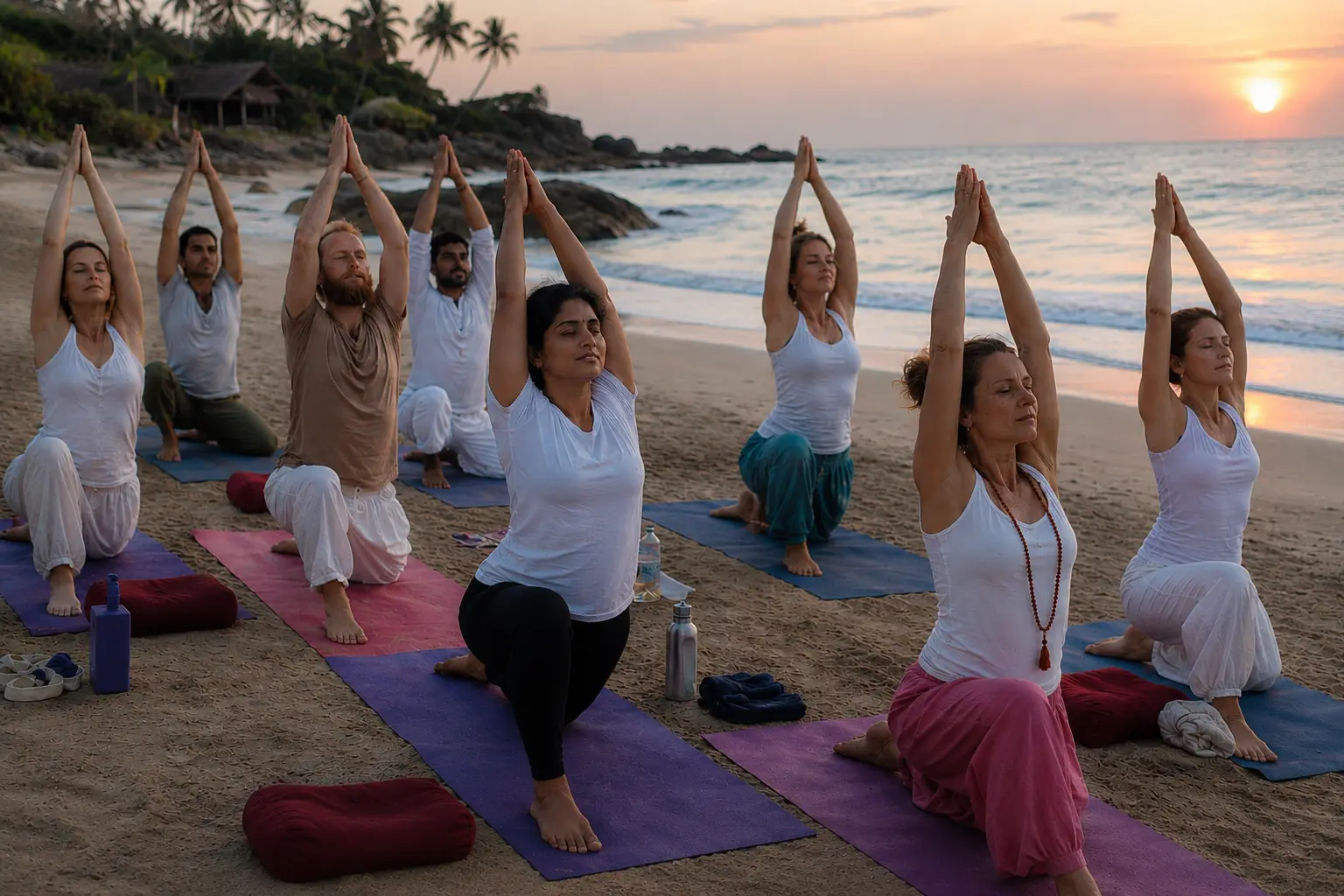
Learn Through Direct Practice, Observation & Mentorship
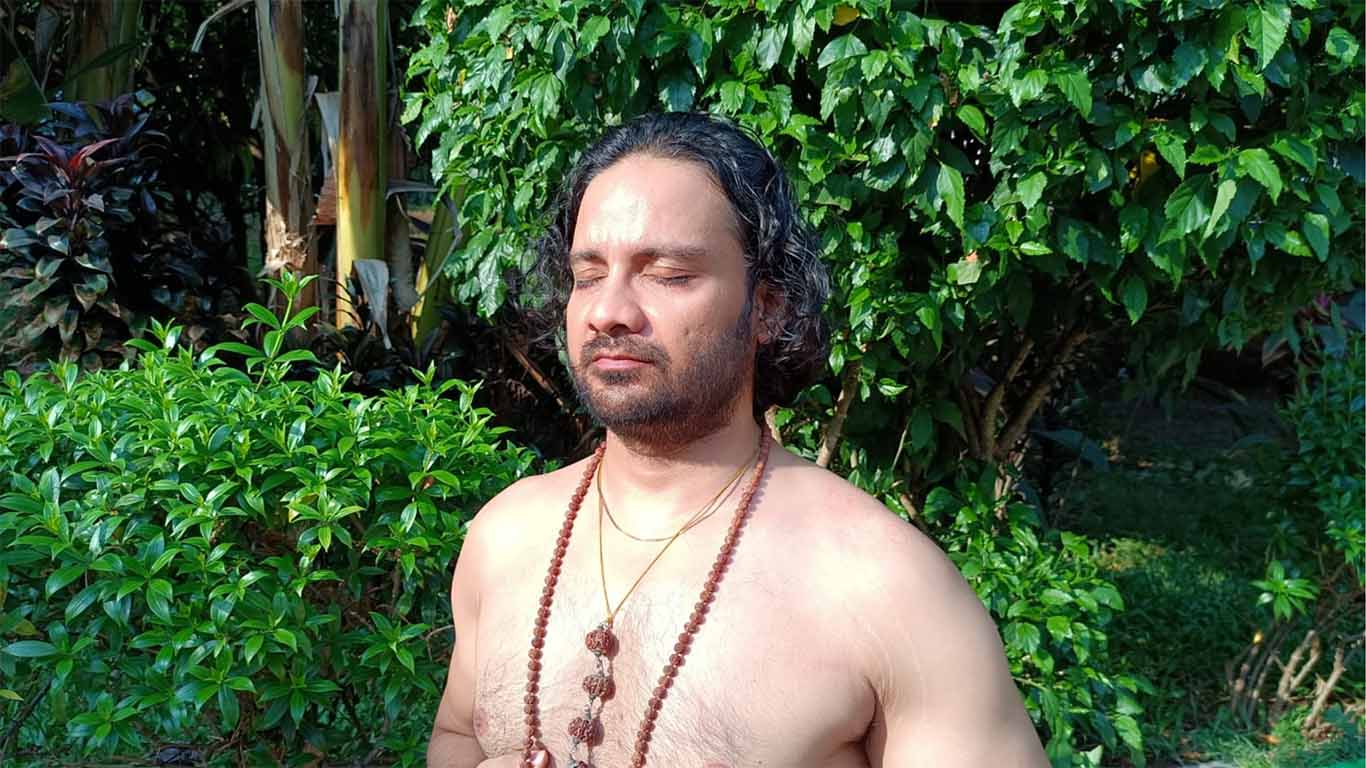
Pradip Krishna teaches Kundalini Kriya Yoga through a calm, grounded, and practice-oriented approach that emphasizes breath awareness, nervous system regulation, meditative steadiness, and long-term experiential understanding. His methodology moves away from exaggerated spiritual narratives and instead encourages students to develop a more sincere, sustainable, and embodied relationship with yogic practice through direct personal experience.
As a teacher and mentor, Pradip creates an environment where students are encouraged to slow down, observe themselves more carefully, and approach practice with consistency rather than urgency or performance. The emphasis is less on external spiritual identity and more on cultivating awareness, energetic balance, discipline, sensitivity, and psychological steadiness gradually over time.
His teaching integrates traditional Kundalini Kriya methodologies with classical Hatha Yoga foundations, pranayama, meditation, Antar Mouna, nervous system awareness, and therapeutic yogic principles in a way that feels structured, accessible, and experientially grounded. Students are guided not only through theory, but through disciplined observation and lived daily practice.
Rather than encouraging dramatic intensity or emotionally overwhelming experiences, Pradip supports a slower and more integrated process of inner development — one rooted in consistency, awareness, self-observation, breath regulation, and long-term transformation through disciplined practice.
Why Most People Misunderstand Kundalini
One of the biggest modern misunderstandings surrounding Kundalini Yoga is the belief that spiritual depth must always appear intense, dramatic, emotionally explosive, or energetically overwhelming.
Modern digital culture has amplified highly commercialized ideas of:
- sudden awakening experiences
- emotional catharsis
- uncontrollable energy activation
- instant transformation
- mystical spectacle
- spiritual identity performance
However, traditional yogic systems often approached Kundalini-oriented practices through gradual preparation, meditative steadiness, energetic balance, nervous system regulation, disciplined awareness, and long-term psycho-spiritual integration.
Traditional Kundalini methodologies often emphasized preparation, awareness, steadiness, and nervous system balance rather than stimulation, emotional overwhelm, or performative spiritual intensity.
In many traditional approaches, practices such as:
were often approached as methods for cultivating clarity, regulation, sensitivity, awareness, and sustainable inner balance over time.
“The intention of traditional yogic practice was often not intensity itself, but the gradual cultivation of awareness, steadiness, clarity, and balanced inner observation.”
This distinction becomes especially relevant today because many individuals are already living with chronic stress, nervous system exhaustion, overstimulation, emotional fatigue, fragmented attention, and constant digital exposure.
In this context, yoga often becomes less about stimulation and more about regulation, grounding, attention, and sustainable internal balance.
Less about spectacle. More about steadiness, awareness, nervous system balance, and long-term integration.
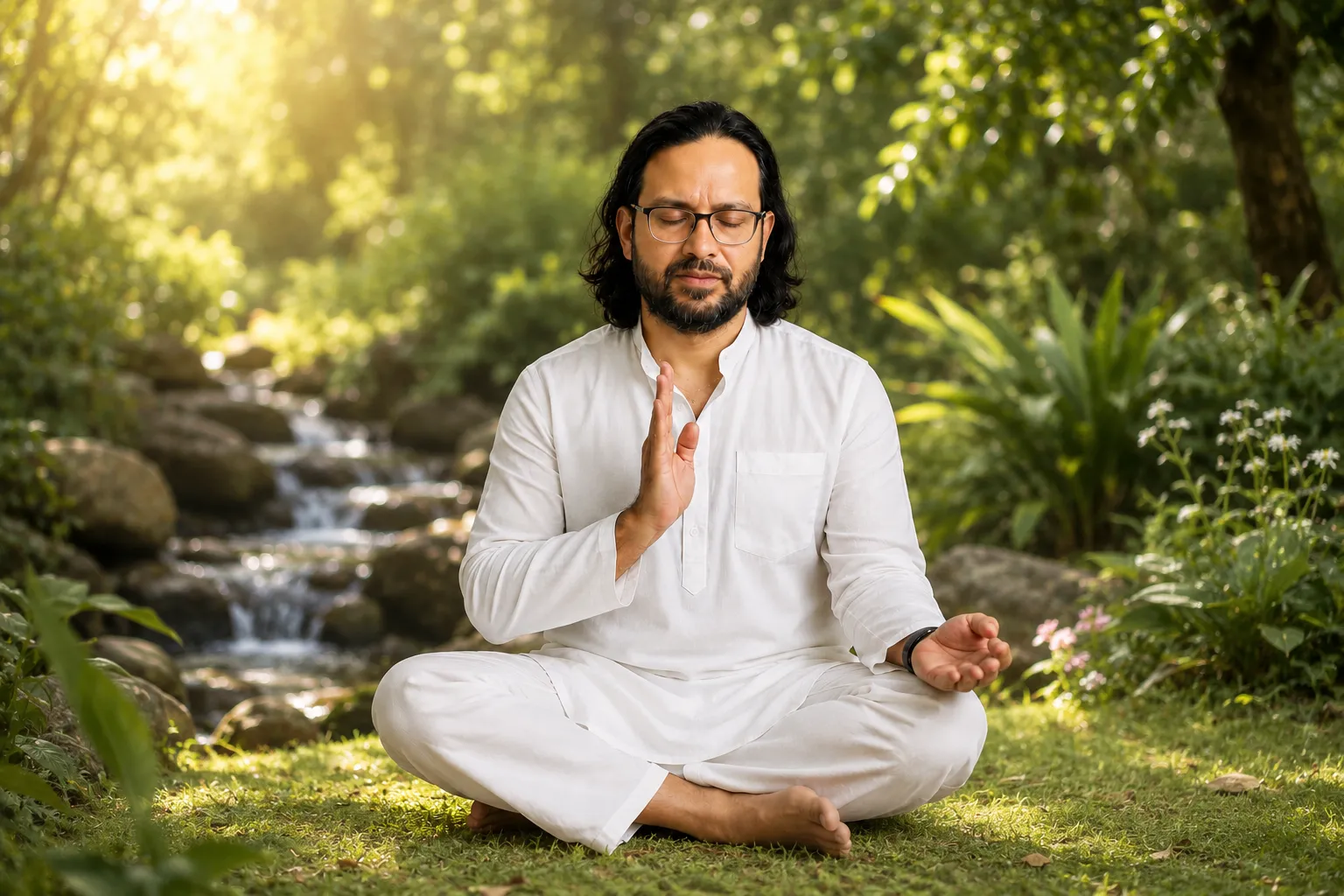
Kundalini Kriyas & The Restoration of Inner Balance
“Kundalini Kriyas and meditative practices traditionally aim to restore balance across the physical, mental, emotional, and energetic systems — helping practitioners cultivate resilience, inner stability, clearer perception, emotional steadiness, and a more regulated relationship with stress, fatigue, and psychological overwhelm.”
Pranayama & Nervous System Regulation
Within traditional yogic systems, pranayama was never understood merely as breath manipulation or performance-oriented breathing techniques. Breath was approached as a bridge between body, mind, emotional state, energetic balance, concentration, and meditative awareness.
Modern lifestyles often condition individuals into shallow breathing patterns, chronic overstimulation, fragmented attention, emotional fatigue, persistent stress responses, and nervous system exhaustion. In this context, pranayama becomes less about stimulation and more about regulation, steadiness, awareness, and restoration.
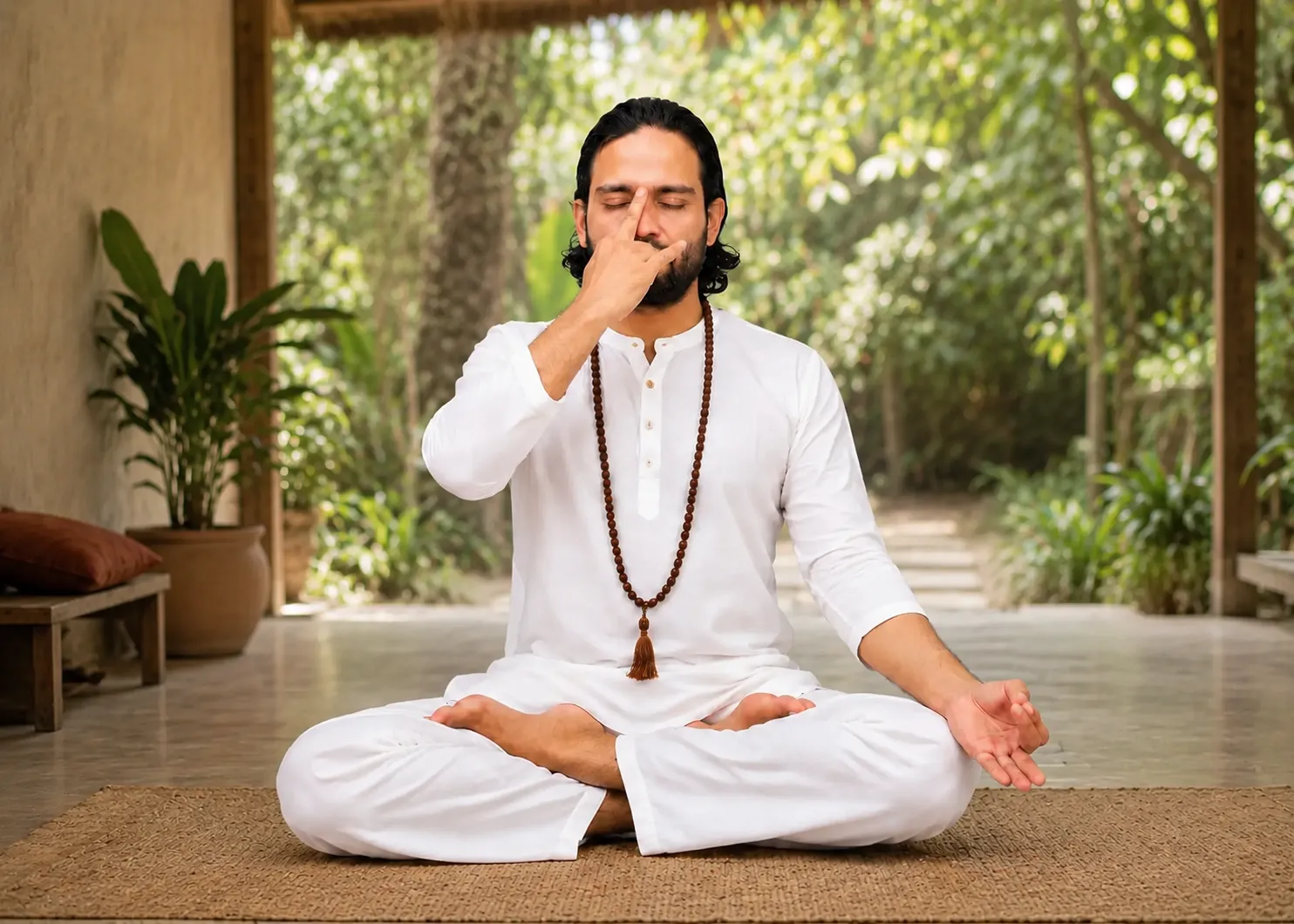
Traditional pranayama practices often emphasized awareness, nervous system balance, energetic steadiness, and meditative preparation rather than forceful stimulation or dramatic experiences.
The training gradually introduces students to foundational pranayama methodologies through awareness-based progression rather than aggressive intensity or rapid energetic activation.
Rather than using breathwork to chase stimulation or altered experiences, the training emphasizes:
- steadiness before intensity
- awareness before control
- regulation before amplification
- sensitivity before performance
- observation before force
“Traditional pranayama was often practiced as a method for cultivating clarity, attentiveness, energetic balance, meditative readiness, and nervous system steadiness over time.”
As students deepen their practice, many begin observing how breathing patterns directly influence mental fluctuation, emotional reactivity, concentration, internal tension, meditative depth, and overall psycho-physiological balance.
Within the broader Kundalini Kriya Yoga framework, pranayama gradually becomes less about technique alone and more about developing sustained awareness, internal sensitivity, disciplined observation, and deeper meditative presence.
Hatha Yoga Foundations
Within traditional yogic systems, Hatha Yoga was historically understood as far more than physical exercise alone. Classical Hatha methodologies were often approached as preparatory systems intended to cultivate steadiness, nervous system balance, energetic sensitivity, breath awareness, concentration, and meditative readiness.
In this training, Hatha Yoga is integrated not as performance-oriented posture practice, but as a foundational discipline supporting broader Kundalini Kriya Yoga development.
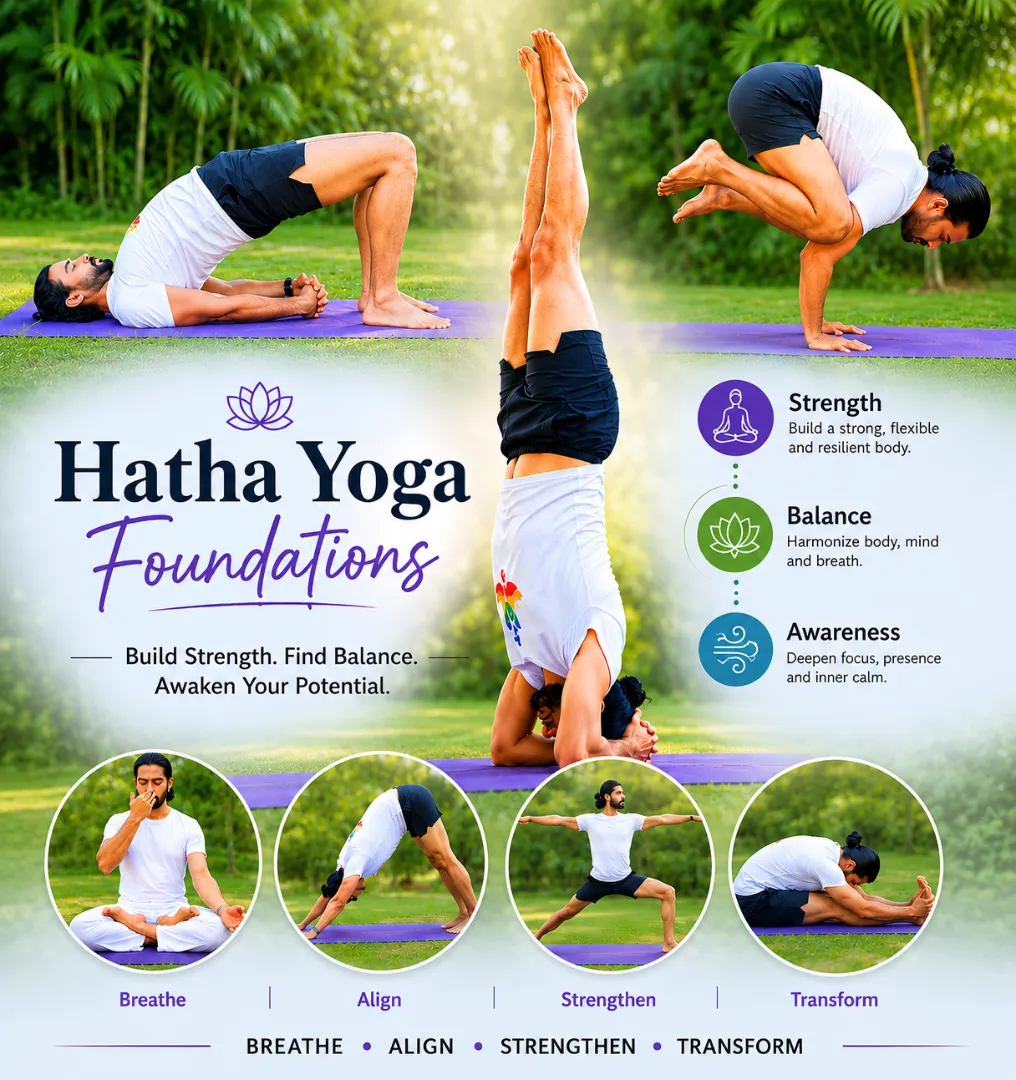
Traditional Hatha Yoga was often practiced not for external performance, but for cultivating steadiness, awareness, energetic balance, breath sensitivity, and meditative preparation.
Students are gradually introduced to foundational elements such as:
Rather than emphasizing acrobatic complexity or aesthetic performance, the training prioritizes sustainable practice, awareness-based movement, proper energetic preparation, and long-term physical balance.
This becomes particularly important within Kundalini-oriented practices because physical tension, irregular breathing patterns, chronic stress accumulation, and nervous system instability can directly influence meditative steadiness and energetic sensitivity.
“Hatha Yoga traditionally functioned as a system of preparation — refining the body, breath, attention, and nervous system gradually to support deeper meditative and energetic practices.”
For many students, this approach creates a calmer relationship with physical practice — one rooted less in comparison or performance and more in observation, steadiness, embodiment, and long-term inner development.
The emphasis throughout the training remains on sustainable progression, nervous system awareness, disciplined consistency, and integration of practice into everyday life rather than temporary intensity or externally driven achievement.
Why Goa for Yoga Teacher Training?
The environment in which yoga is practiced can deeply influence the quality of attention, nervous system regulation, meditative steadiness, and overall learning experience. For many students, choosing a yoga teacher training destination is not only about curriculum — but also about atmosphere, rhythm, climate, simplicity, and the psychological environment surrounding daily practice.
Goa offers a very different energetic and experiential atmosphere compared to heavily commercialized or overcrowded spiritual destinations. The slower coastal rhythm, tropical natural environment, open spaces, quieter mornings, and relaxed pace often create conditions that support introspection, breath awareness, physical recovery, and sustainable daily practice.

For many students, the environment itself becomes part of the practice — slowing the nervous system, reducing external pressure, and creating more space for awareness, reflection, and inner steadiness.
Rather than positioning yoga as escape-oriented tourism or spiritual entertainment, the training environment attempts to support a calmer and more grounded relationship with practice.
This becomes especially meaningful for students arriving from highly overstimulated urban lifestyles characterized by constant digital exposure, work stress, fragmented attention, emotional fatigue, and nervous system exhaustion.
“Sometimes the most transformative part of practice is not intensity — but finally entering an environment where the body, breath, and mind can begin slowing down again.”
For many practitioners, Goa creates a balance between disciplined practice and sustainable living — offering enough softness to support introspection while still allowing the consistency and structure necessary for serious yogic training.