Ayurveda Classes in India – Learn the Ancient Science of Healing with VIY
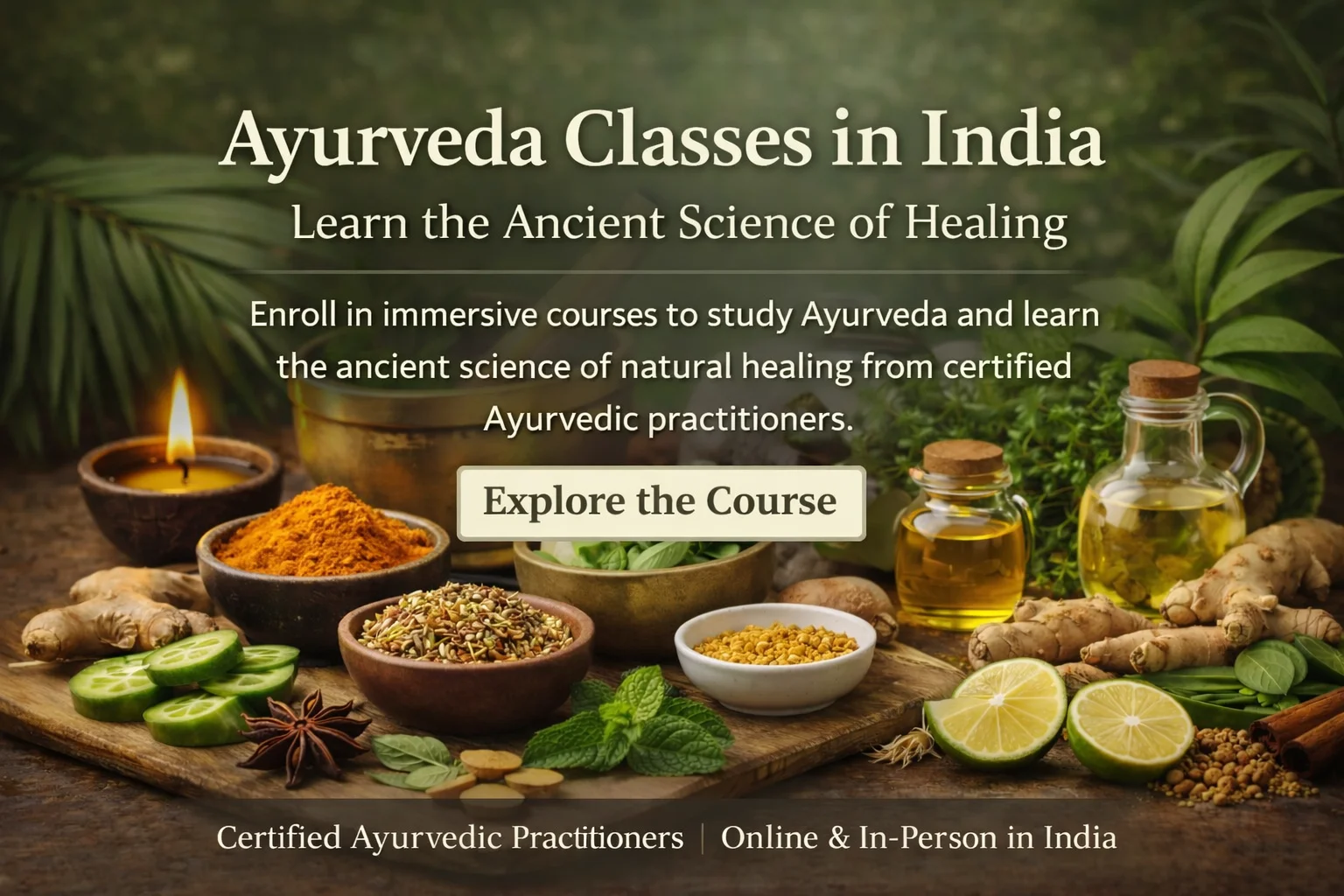
Ayurveda Classes in India – Learn the Ancient Science of Healing
Ayurveda classes in India combine ancient wisdom with modern understanding, offering an immersive experience in healing, herbal science, and self-transformation. Students not only study theory but live the Ayurvedic way through daily rituals, therapies, and mindful routines that bring balance and awareness.
Introduction – Why Ayurveda Classes in India Are Transformative
There’s something deeply grounding about learning Ayurveda in its homeland. The scent of freshly crushed herbs, the rhythm of morning chants, and the quiet discipline of observing nature’s cycles — these are the heartbeats of Ayurveda classes in India.
Unlike conventional education, these classes invite you to live what you learn. They’re a full-spectrum experience — where philosophy, bodywork, nutrition, and mindfulness weave together into a holistic education.
Whether you’re a wellness professional, yoga teacher, therapist, or simply someone curious about self-healing, India offers an unmatched authenticity in Ayurveda education. For a complete overview of institutes and certification programs, explore Ayurveda Courses in India.
1. Structure of Ayurveda Classes in India
Ayurveda training in India follows a carefully designed structure — integrating classroom theory, clinical exposure, and lifestyle application. Most programs, whether short-term or degree-level, follow the classical Ayurvedic curriculum rooted in Charaka Samhita, Sushruta Samhita, and Ashtanga Hridaya.
Core Learning Areas Include:
| Subject | Focus |
|---|---|
| Sharira Rachana (Anatomy) | Understanding human body and constitution (Prakriti) |
| Dravyaguna Vigyan | Study of medicinal plants and their energetic properties |
| Panchakarma | Cleansing therapies for Dosha balance |
| Rasayana | Rejuvenation and longevity sciences |
| Swasthavritta | Preventive health and daily routine principles |
These classes combine lectures with hands-on training — students spend mornings learning theory and afternoons practicing herbal identification, oil therapy, and diagnostic observation.
Most Ayurveda programs in India follow the classical curriculum rooted in foundational texts such as the Charaka Samhita , one of the primary scriptures of Ayurveda preserved and published by the National Institute of Indian Medical Heritage (Government of India).
2. A Typical Session in an Ayurveda Class
Unlike residential programs that span an entire day, most Ayurveda classes in India today are structured for focused learning — typically lasting around three to 4 hours per day, making them ideal for working professionals and wellness enthusiasts alike.
Each session is a balance of theory, practise and personal reflection.
The Flow of a Class:
-
First Hour – Theoretical Exploration:
The class begins with a calm settling-in, perhaps a brief moment of guided breath awareness, followed by an engaging lecture on key Ayurvedic principles — Doshas, Agni (digestive fire), or seasonal routines. Students are encouraged to ask questions and relate concepts to their daily lives. -
Second Hour – Practical Demonstration:
After a short break, the focus shifts to experiential learning. This might include identifying herbs, preparing simple Ayurvedic formulations, or practicing diagnostic techniques such as observing tongue or pulse patterns. -
Final Hour – Integration & Reflection:
The last segment is for discussion and journaling. Students share how they can apply the day’s learning to their lifestyle — from adjusting diet and sleep habits to choosing herbal teas for their constitution.
This rhythm keeps the sessions immersive but not overwhelming, allowing learners to absorb and apply Ayurveda in realistic, modern-life contexts.
3. Integration of Theory and Daily Life
What sets Ayurveda classes in India apart is how deeply they blend classroom learning with personal transformation.
| Ayurvedic Principle | Everyday Application |
|---|---|
| Agni (Digestive Fire) | Students eat according to their constitution and season |
| Dosha Awareness | Adjusting lifestyle, sleep, and emotions |
| Ama (Toxin) | Detox rituals and mindful eating |
| Ojas (Vitality) | Cultivating energy through rest, compassion, and balance |
In most academies, even the hostels and cafeterias follow Ayurvedic principles — meals are freshly cooked, light, and dosha-balanced.
4. Modern Relevance – Ayurveda Education in 2025
Ayurveda isn’t frozen in time. Today’s Ayurvedic institutions in India are blending traditional Gurukula systems with modern learning methods. You’ll find smart classrooms, digital herbariums, and global research tie-ups.
Universities like Gujarat Ayurved University, Banaras Hindu University, and Kerala Ayurveda Academy have established hybrid programs combining online and in-person learning.
5. Case Study: A Student’s Journey in Goa
Amrita, a student from Germany, describes her 2 weeks Ayurveda Massage and panchakarma course in Goa at Visuddhi Issha Yoga & Ayurveda as “life-changing.”
Her day starts with sunrise yoga and a glass of warm herbal water. Classes on Dosha balancing are followed by hands-on therapy sessions — Abhyanga (oil massage), Shirodhara (oil pouring on the forehead), and Swedana (herbal steam therapy).
Evenings are spent journaling reflections or joining community Satsang. By the end of her course, Amrita felt not only educated but transformed — embodying Ayurveda’s philosophy of Swasthya (holistic health).
6. Path to Becoming an Ayurvedic Practitioner
Step-by-Step Guide
-
Choose Your Course Type
- Short-term certificate (1–3 months)
- Diploma (6–12 months)
- Bachelor’s in Ayurveda (BAMS – 5.5 years)
- Postgraduate (MD Ayurveda)
-
Select an Accredited Institute
Ensure recognition by the Central Council of Indian Medicine (CCIM) or relevant state boards for degree diploma courses. Certification courses are mostly accredited to BSS or AYUSH India -
Immerse in Practical Training
Participate in clinical rotations and Panchakarma therapy practice. -
Internship and Research
Learn case management, patient observation, and Ayurvedic counselling. -
Certification and Career Paths
Graduates can work as Ayurvedic consultants, therapists, herbal product specialists, or wellness educators worldwide.
7. Ayurvedic Diet and Lifestyle for Students
During their course, students live a Sattvic lifestyle — emphasizing balance, purity, and simplicity.
| Time of Day | Recommended Routine | Purpose |
|---|---|---|
| Sunrise | Meditation, yoga, and study | Awaken mind and body |
| Noon | Fresh, vegetarian Ayurvedic meal | Support digestion (Agni) |
| Evening | Light meal, herbal tea, journaling | Promote calm and rest |
Lifestyle training ensures that students integrate Ayurvedic values — mindfulness, discipline, compassion — into their daily rhythm.
8. Common Mistakes to Avoid in Ayurveda Learning
- Treating Ayurveda as “alternative medicine” instead of a complete life science
- Memorizing texts without understanding their experiential meaning
- Ignoring Sanskrit terminology — each word encodes deep philosophy
- Disregarding regional and seasonal context of herbs
- Focusing only on therapy skills, neglecting the spiritual foundation of healing
9. The Future of Ayurveda Learning in India
The future of Ayurveda education in India is vibrant. With the rise of integrative health systems and global wellness tourism, Ayurveda professionals are in demand across clinics, spas, and research institutes.
In the coming years, blended education models and international collaborations will make it easier for students worldwide to access authentic training directly from India’s Ayurvedic masters.
10. FAQs – Ayurveda Classes in India
How long do Ayurveda classes in India last?
Can international students enrol?
What subjects are covered?
Are online Ayurveda classes available?
Explore Online Ayurveda Courses with VIY : Read More
What are the career options after completing Ayurveda training?
Call to Action
Ready to immerse yourself in India’s ancient healing tradition?
Begin your journey with our detailed guide to Online Ayurveda Courses .
You may also explore:
Or schedule a Holistic Health Consultation to discover which course aligns with your wellness goals.

You may also like